


Online Help!
9824085395
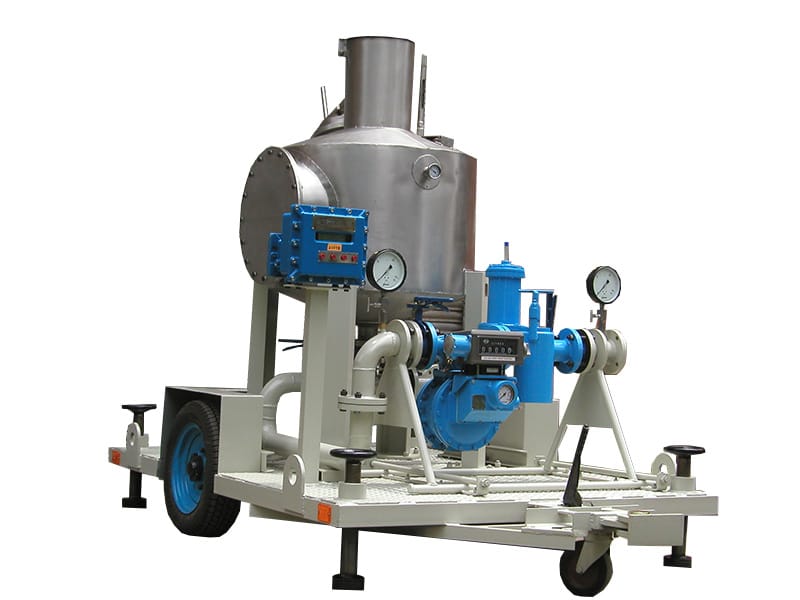
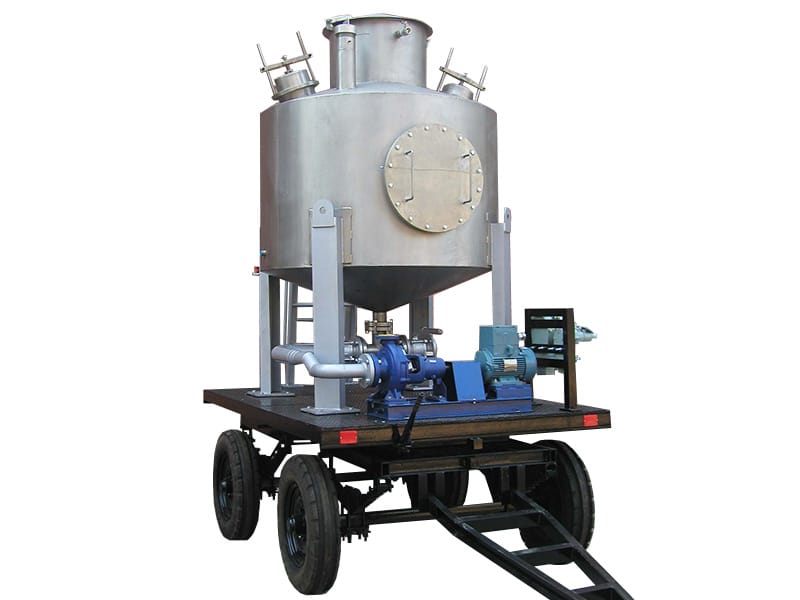
Prover tank calibration involves ensuring the accuracy of a tank used as a volumetric standard for calibrating other devices, like flow meters. It typically involves using a known volume of liquid, often water, to fill the prover tank and then comparing the measured volume in the tank with the volume registered by the device being calibrated. This process helps ensure that the flow meter and other devices are accurately measuring the volume of liquid being delivered.
Prover Tank Calibration Process:
Preparation:
The prover tank is carefully prepared, ensuring it's level, clean, and free from obstructions.
Filling with a Known Volume:
A verified volume of liquid (often water) is carefully poured into the prover tank, often using calibrated measuring devices.
Level Measurement:
The liquid level in the prover tank is carefully measured using a graduated glass tube or other precise measuring device.
Comparison and Adjustment:
The measured volume in the prover tank is compared with the volume indicated by the device being calibrated (e.g., a flow meter). If there's a discrepancy, the device being calibrated is adjusted to match the prover tank's known volume.